
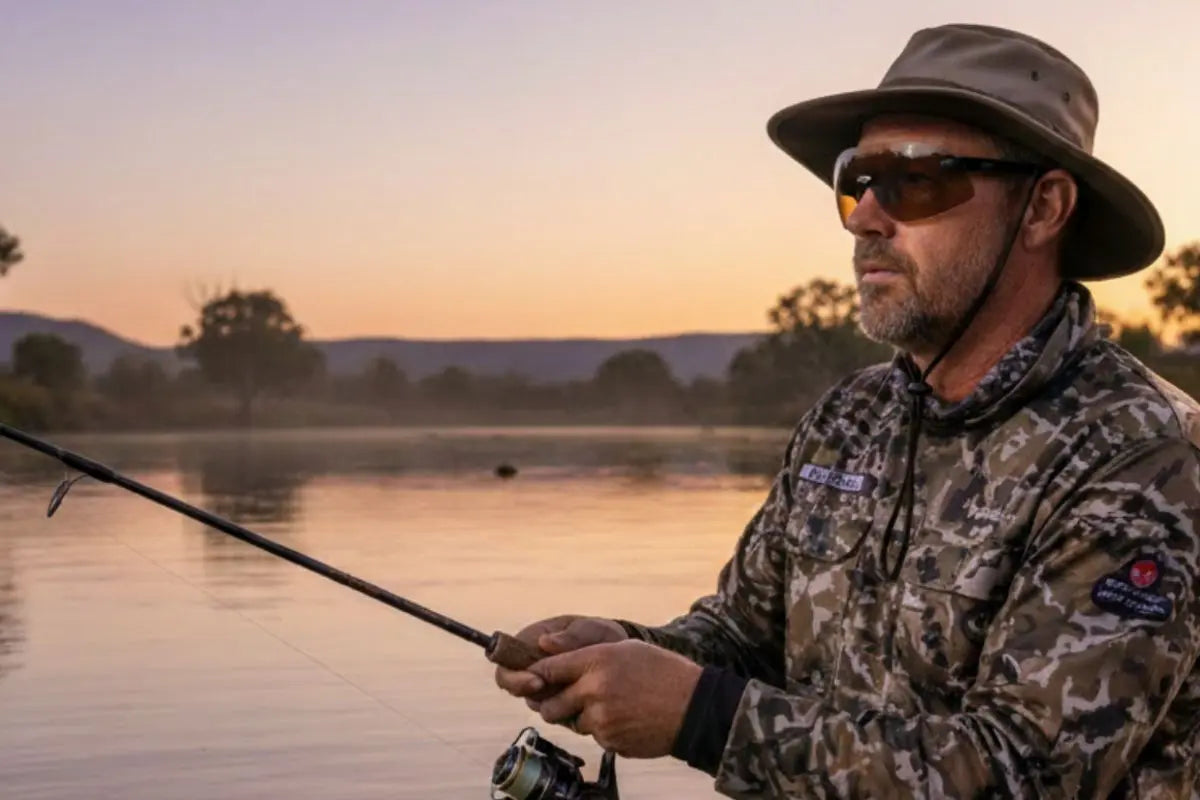
Choosing the right lens tint for sport is not cosmetic. It directly affects contrast, depth perception, glare control, and long-term visual comfort.
Different sports and lighting conditions demand different optical behaviour. The wrong tint can reduce clarity, distort colour perception, or increase fatigue. The right tint improves reaction speed, visual comfort, and confidence.
If you are exploring sports eyewear for cycling and outdoor performance, understanding how each tint behaves in real conditions will help you make a confident decision.
Why Lens Tint Matters in Sport
Light conditions constantly change. Bright sun, overcast skies, reflective road surfaces, grass fields, indoor lighting, and mixed terrain all affect how your eyes process visual information.
Lens tint influences:
-
Contrast enhancement
-
Glare reduction
-
Colour perception
-
Depth judgement
-
Eye fatigue
Choosing the correct tint allows your eyes to work efficiently rather than compensating for excessive brightness or poor contrast.
Grey Tint: Best for Bright Sunlight and Natural Colour
Grey lenses reduce overall brightness evenly across the colour spectrum. This preserves natural colour balance while controlling harsh sunlight.
Grey tint performs best when:
-
Training in bright, clear sunlight
-
Cycling or running in open terrain
-
Playing golf or tennis where colour accuracy matters
-
Spending extended time outdoors
Grey tint is widely used in high-performance sports sunglasses for bright conditions where glare reduction and colour neutrality are priorities.
Brown Tint: Best for Contrast and Terrain Definition
Brown lenses filter blue light and enhance reds and greens. This increases contrast and improves object definition.
Brown tint performs well in:
-
Mixed light conditions
-
Field sports played on grass
-
Hazy environments
-
Variable outdoor terrain
Brown tint is a popular option in tinted sports eyewear for mixed light conditions, where contrast and terrain clarity matter more than simple brightness control. It is particularly effective for golfers who need to distinguish between different shades of green on a course.
Vermillion Pink Tint: Best for Ball Tracking and Flat Light
Vermillion lenses filter blue and green light to sharpen visual detail and improve object tracking.
They perform well in:
-
Overcast conditions
-
Golf and tennis in flat light where ball visibility is critical
-
Sports with complex visual backgrounds
-
Changing light environments
Vermillion enhances contrast without heavily darkening vision, supporting faster recognition and improved reaction timing.
Orange Tint: Best for Low Light and Indoor Sport
Orange lenses are designed to increase contrast and depth perception in low or changing light.
They are effective for:
-
Early morning training
-
Indoor sport
-
Shooting sports
-
Flat light environments
Orange tint may slightly shift natural colour perception. This trade-off improves clarity and object separation when light is reduced.
Sodium Yellow: Best for Early and Late Sessions
Sodium yellow lenses increase contrast in flat or dim conditions while maintaining relatively natural colour perception.
They are best suited to:
-
Early morning sessions
-
Late afternoon training
-
Foggy or dull environments
-
Variable light conditions
They are not designed for intense midday sun but perform well when visibility is reduced rather than glare being extreme.
Grey Revo Mirror: Best for Reflective Glare
Grey Revo combines a grey base tint with a subtle mirror coating to improve visual comfort in bright, exposed environments.
The grey lens reduces overall brightness evenly across the colour spectrum, maintaining natural colour perception while controlling harsh sunlight. The revo mirror coating reflects excess surface light, helping manage glare without significantly darkening vision.
Grey Revo performs best in:
-
Road cycling
-
Open outdoor environments
-
Long training sessions in direct sunlight
-
Bright conditions with reflective surfaces
This combination provides controlled brightness, improved comfort, and stable visual performance during extended outdoor activity. Grey revo mirror sports sunglasses for glare control are commonly selected in situations where reflective light is a consistent factor.
How to Choose the Right Tint for Your Conditions
If brightness is your main challenge:
Choose grey or grey revo.
If contrast and terrain definition matter more:
Choose brown.
If you train in overcast or flat light:
Choose vermillion, orange, or sodium yellow.
Match lens tint to environmental demand, not appearance.
Final Thoughts
Lens tint is a performance decision.
Contrast when needed.
Glare control when required.
Colour accuracy when it matters.
When tint is selected intentionally, clarity improves and fatigue reduces. That supports better performance across any sport.
Share:
Why Most Performance Eyewear Fails Under Real-World Conditions
How to Choose the Right Safety Glasses (Complete 2026 Guide)