
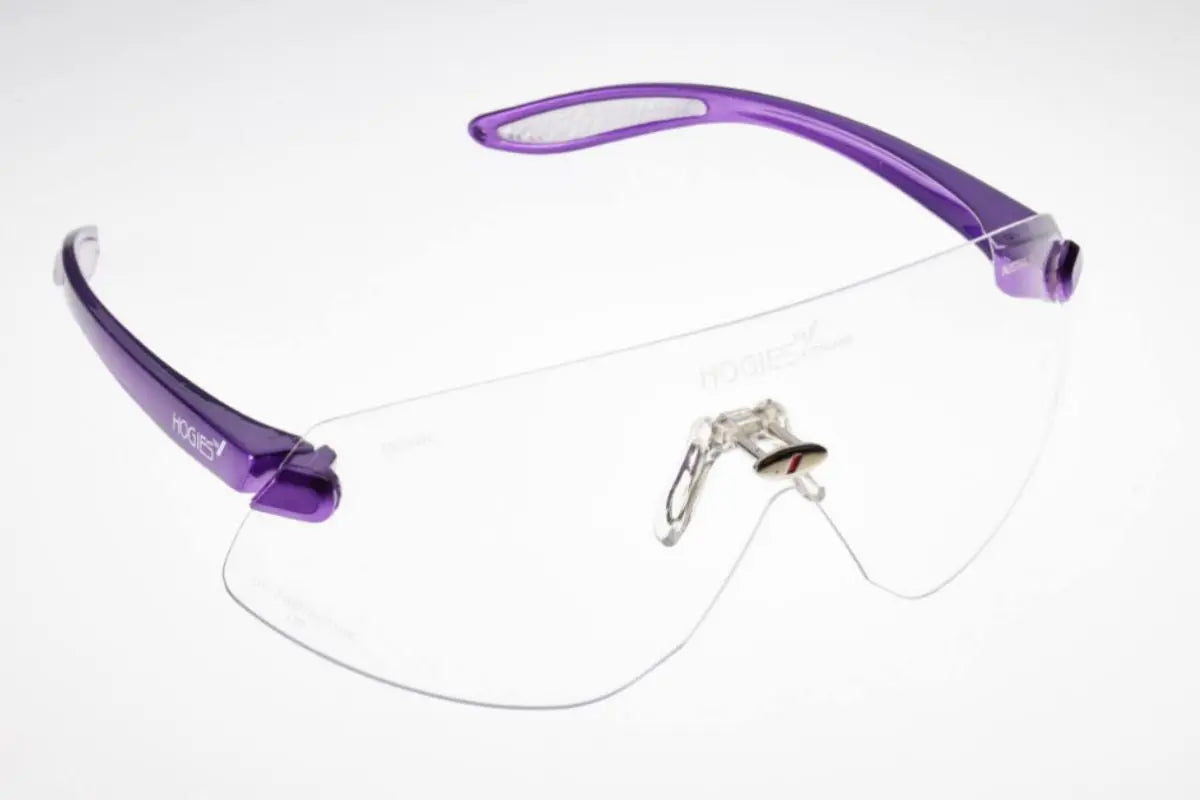
Safety glasses are certified protective equipment designed to reduce the risk of eye injury in environments where hazards are present.
In hospitals, dental and specialist clinics, laboratories, industrial settings, and workshops, eye protection is part of standard safety protocol. Exposure to debris, splatter, airborne particles, and environmental hazards requires eyewear that meets recognised protection standards.
Regular glasses are not designed for these environments. Without certification, structural integrity, and proper coverage, eyewear may provide false confidence rather than real protection.
Understanding what safety glasses are and why they are required is the first step toward choosing equipment that performs.
What Makes Safety Glasses Different From Regular Glasses?
Regular glasses are designed for vision correction or sun protection.
Safety glasses are engineered for protective environments.
The difference lies in:
• Certified testing standards
• Reinforced lens materials
• Structural frame integrity
• Optical Class ratings for professional use
• Wraparound designs that improve coverage
Certified safety glasses must meet recognised standards such as AS/NZS 1337.1 or EN 166. These standards verify lens strength, clarity, and durability under defined conditions.
Without certification, eyewear cannot be relied upon in regulated environments.
What Hazards Do Safety Glasses Protect Against?
Safety glasses are designed to reduce risk where eye hazards are present.
Common hazards include:
• Airborne particles
• Dust and debris
• Chemical splashes
• Biological exposure in healthcare settings
• UV exposure in outdoor environments
Even small particles can cause serious injury. Protective eyewear acts as a physical barrier between the eye and surrounding hazards.
The level of protection required depends on the environment. That is why certification standards matter.
Are Safety Glasses Required by Law?
In many workplaces, yes.
Occupational health and safety regulations require appropriate protective equipment wherever hazards exist.
If an environment presents risk to the eyes, certified safety eyewear is typically mandatory.
Standards such as AS/NZS 1337.1 in Australia and New Zealand and EN 166 in Europe define minimum performance requirements for protective eyewear.
Compliance protects both individuals and organisations.
Who Needs Safety Glasses?
Safety glasses are required in any environment where eye hazards are present.
These environments include:
• Hospitals and healthcare facilities
• Dental and specialist clinics
• Laboratory environments
• Industrial and trade settings
• Workshops and manufacturing environments
• Outdoor activities such as cycling, running, fishing, golf, and shooting
Each setting presents different exposure risks. Certified protective eyewear should always match the level of hazard present.
Safety glasses are not limited to one industry. They are essential wherever reliable eye protection is required.
Why Certification and Fit Both Matter
Protection is the foundation.
But even certified safety glasses fail if they are unstable or uncomfortable.
Poorly fitted eyewear can:
• Slip during movement
• Create pressure points
• Increase fogging
• Be removed during use
Safety glasses should remain stable, comfortable, and optically clear throughout the task.
Choosing the right model involves evaluating certification, optical class rating, fit geometry, and intended environment.
For a complete breakdown of how to evaluate these factors, read How to Choose the Right Safety Glasses.
Certified Protection You Can Rely On
Safety glasses are equipment.
They must meet recognised standards, provide distortion free clarity, and remain stable during wear.
Certified models are tested for structural integrity and optical performance. This ensures they protect without compromising vision.
To explore certified models designed for professional environments, visit Hogies Safety Eyewear.
Frequently Asked Questions
What are safety glasses used for?
Safety glasses are used to protect the eyes from debris, dust, chemical splashes, biological exposure, UV light, and other workplace or environmental hazards.
Are safety glasses different from regular glasses?
Yes. Safety glasses meet certified standards for lens strength, optical clarity, and structural integrity. Regular glasses are not tested to the same protective requirements.
Are safety glasses legally required?
In many workplaces, yes. Occupational health and safety regulations require certified protective eyewear where eye hazards exist.
What standard should safety glasses meet in Australia?
In Australia and New Zealand, safety glasses should comply with AS/NZS 1337.1 for certified low impact protection.
Do safety glasses protect against UV light?
Many certified safety glasses include UV protection, particularly models designed for outdoor environments.
If your environment presents any risk to the eyes, certified protection is essential.
Explore professionally engineered options within Hogies Safety Eyewear and choose safety glasses designed for clarity, stability, and compliance.
Share:
Patient Protection Glasses for Dental and Specialist Clinics: What to Look For
Are Safety Glasses Tax Deductible in Australia and New Zealand?